

Getting a love story in the mailbox feels different from opening an ebook or pulling a paperback off a shelf. It feels slower, more private, and a little dangerous, like something meant for your hands only.
That shift matters. Mail-delivered romance is not only a format. It's an experience built around arrival, waiting, touch, and suspense. Once the story shows up as sealed letters and artifacts, the reader doesn't only read the romance. The reader receives it.
What makes mail-delivered romance feel more intimate
A book usually sits in plain view. A letter arrives with your name on it.
That small change creates a stronger emotional charge. Mail feels personal because it enters your real life. It lands in your home, on your porch, in your hands. A romance told this way feels less like a product and more like secret correspondence. The gap between fiction and reader gets thinner.
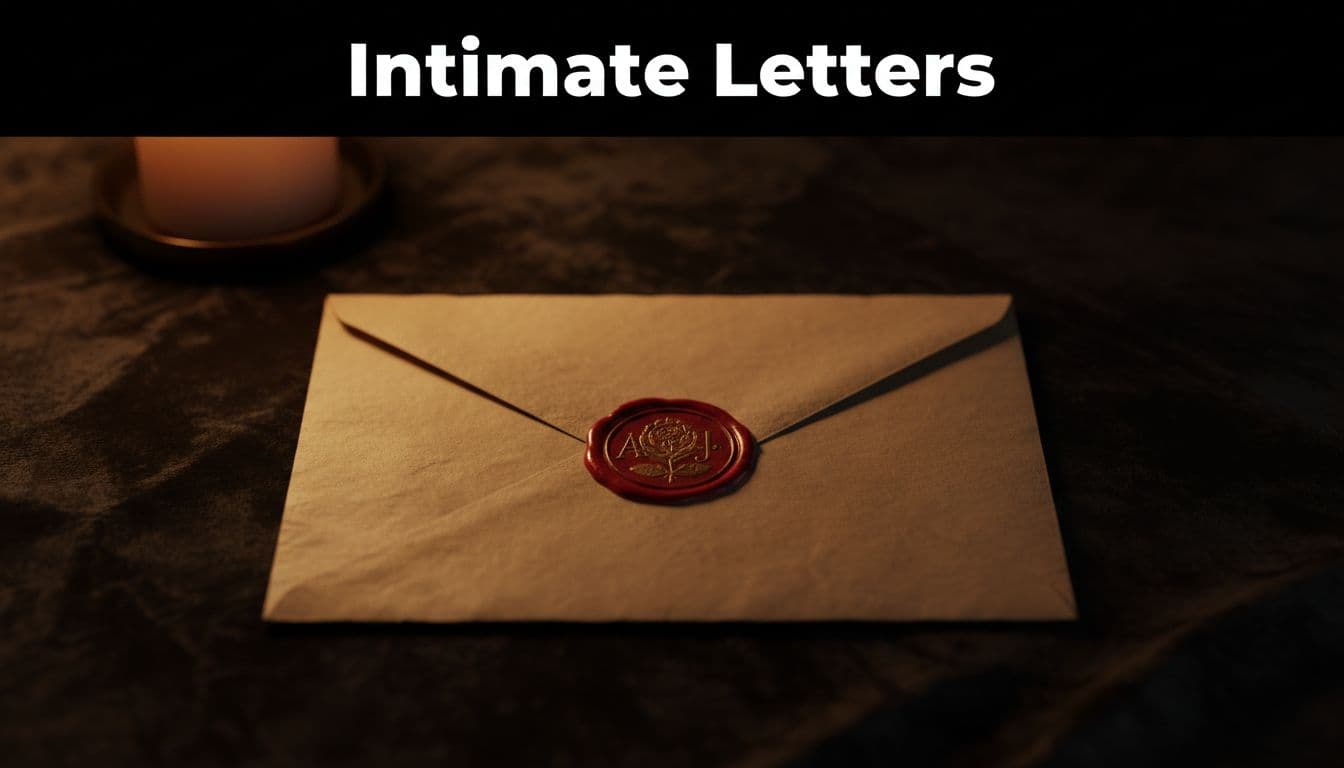
That matters even more in dark romance. These stories feed on secrecy, possession, danger, and emotional intensity. When the story arrives as a letter, the tone starts before the first line. The envelope already suggests a hidden relationship. The seal already hints that someone wanted this message protected. Because of that, the reader enters the story with heightened feeling.
A regular novel asks for attention. A mailed letter asks for trust.
A romance letter doesn't feel mass-produced. It feels chosen.
The story feels like it is meant just for you
Addressed mail changes the reader's role. Instead of watching the romance from a distance, you feel pulled inside it. Named letters, direct language, and story fragments can create the sense that the message crossed a line to reach you.
That feeling suits dark romance readers especially well. Fans of vampire seduction, mafia obsession, bully romance, masked men, motorcycle clubs, and street biker tension already enjoy stories with private rules and closed worlds. Letter delivery strengthens that mood. A confession from a vampire lover or a warning from a dangerous man feels sharper when it arrives like evidence.
This kind of reading can feel almost participatory. You are still a reader, of course, but the format places you closer to the heat of the story. The romance doesn't stay behind a cover. It shows up at your door.
Waiting between deliveries builds tension
Pacing changes when the story comes in waves. A two-week rhythm turns the next chapter into an event.
That pause is not dead space. It gives the story room to breathe inside the reader's mind. A cliffhanger lasts longer. A threat lingers. A promise starts to feel bigger because you cannot flip ahead and kill the suspense in one sitting. Desire grows in the gap.
Dark romance benefits from that delay. These stories often depend on push and pull, restraint and release, fear and attraction. When readers must wait, the emotional pressure rises on its own. They replay scenes, read lines again, and imagine what the next letter will reveal. The mailbox becomes part of the plot.
Why physical mail changes the way readers absorb a story
Reading on paper slows the body down. You open, unfold, hold, and re-read. Those actions seem small, yet they change focus.
Physical mail also gives the story weight. An envelope, a scrap, a seal, or a note makes the fictional world feel anchored in something real. That extra presence can help readers remember scenes more clearly because the story is tied to touch, sound, and ritual, not only words on a screen.
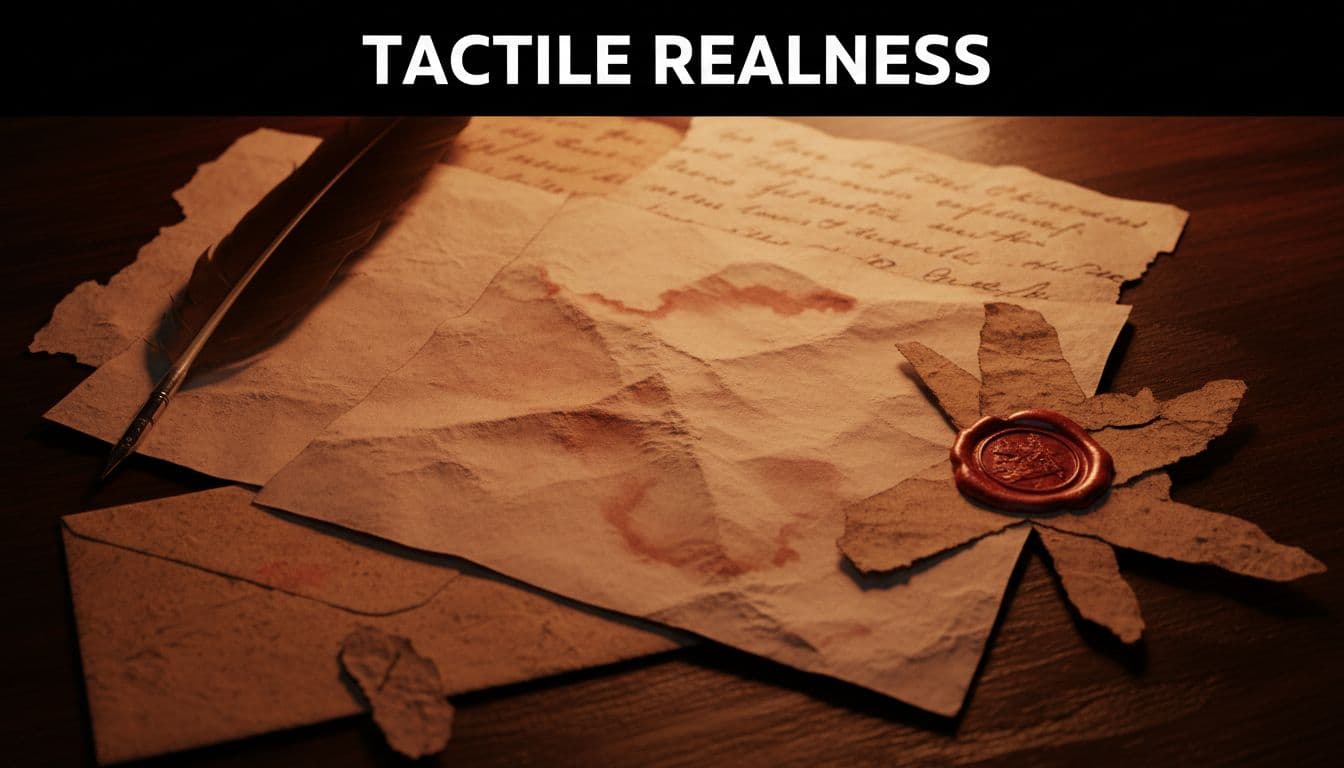
Digital reading is convenient, but it invites speed. Tabs stay open. Alerts pop up. Pages blur together. Physical story mail does the opposite. It asks for a place to sit and a moment to stay. For romance, that slower pace can make every beat more vivid.
Tactile details make the story feel real
Texture changes memory. Readers often remember what they touched more clearly than what they skimmed.
An envelope edge, heavy paper, wax residue, or a handwritten-style note can make the story world feel physical. Even before a line is read, the object sets a tone. Rough paper can feel old or forbidden. A sealed letter can feel formal, possessive, or intimate. Inserts and keepsakes turn plot points into objects you can hold.
That matters for emotional reading. When the world of the story gains physical form, scenes stick harder. A warning feels more serious when it comes on paper. A confession feels more tender when unfolded by hand. The reader isn't only imagining the romance. The reader is handling proof of it.
Slower reading makes every reveal land harder
Serialized mail discourages bingeing. You can't race through six hundred pages in one anxious night. You sit with what you have.
That can make romance stronger, not weaker. Slow reading lets longing expand. It lets fear settle in. A reveal has time to echo because the reader does not move on right away. In dark romance, where obsession and uncertainty drive the plot, that extra time intensifies the mood.
A possessive line from a mafia hero hits differently when it stays on your desk for days. A vampire confession grows stranger and more seductive when you keep returning to it. The format changes the pressure of the story. It asks readers to live with the feeling, not outrun it.
How serialized romance turns reading into an ongoing relationship
Most books are consumed in a short burst. Story mail stays present over time.
That ongoing rhythm changes the bond between reader and story. Each new delivery renews interest. It revives the last emotional beat. It also keeps the fictional relationship active between reading sessions. Instead of one finished experience, the romance unfolds as a continuing presence in real life.
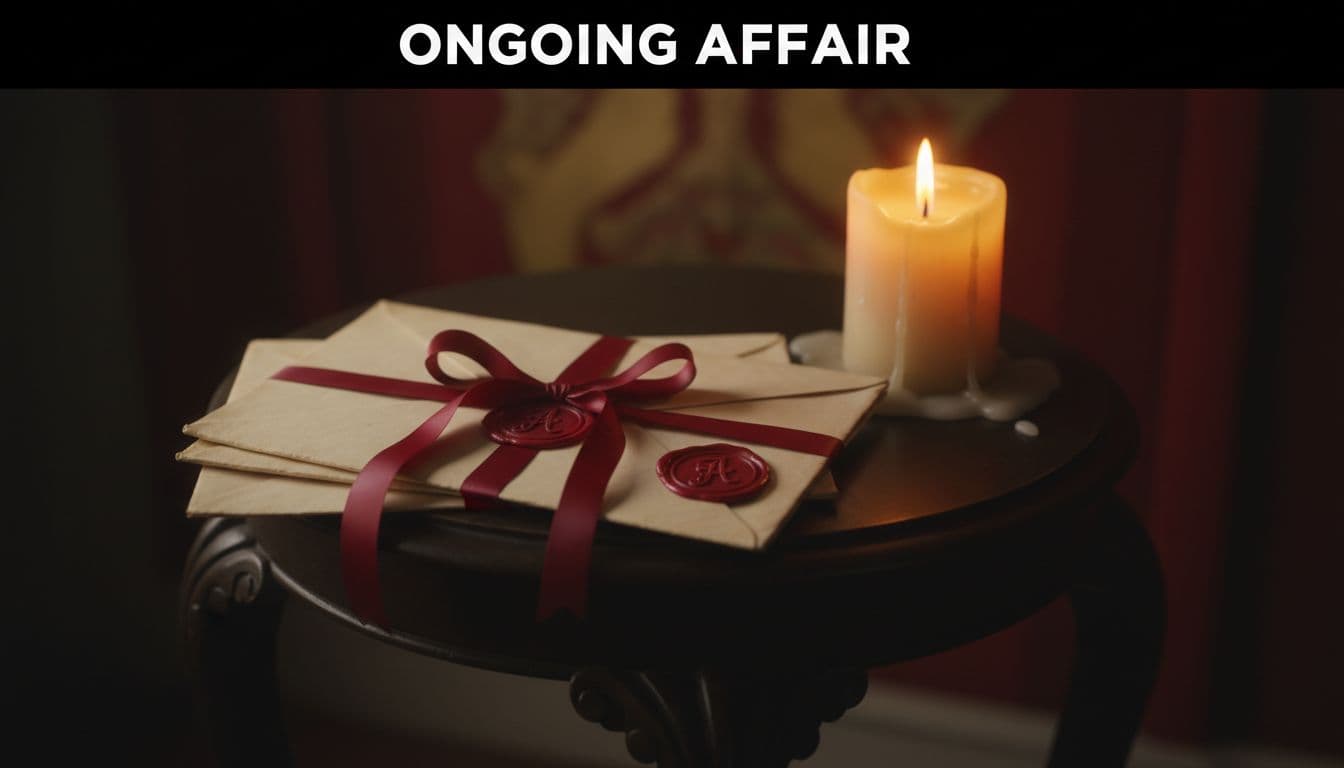
This is one reason mail-based romance works so well as a gift. A single unboxing fades fast. A series of letters keeps returning. The excitement starts again with each arrival, and the recipient has something new to anticipate.
Each letter acts like a new chapter in a private affair
Traditional chapters wait inside one book. Mailed chapters travel to you one by one, and that changes their mood.
Each letter feels like a new contact point in a secret connection. That tone fits genres built on hidden power and withheld truth. Vampire stories thrive on confession and temptation. Mafia romance feeds on danger and control. Motorcycle club, masked man, bully romance, and street biker stories often rely on secrecy, risk, and emotional pressure. Letter form sharpens all of that.
The piece-by-piece structure also mirrors forbidden relationships. Contact is limited. Information comes in fragments. Every message feels charged because it may reveal too much or not enough. That tension keeps readers emotionally attached between deliveries.
It creates a gift that lasts beyond one unboxing
Gift givers often want more than an object. They want a feeling that lasts.
A mailed romance experience does that well because it unfolds over time and can be sent directly to the recipient by name. That personal detail matters. It turns the gift into something targeted, not generic. For dark romance readers, especially those who love BookTok-worthy presentation, the format feels more thoughtful than handing over a standard book.
It also suits people who want the joy of anticipation without a long-term subscription model. The experience can feel special and contained, with the story arriving in stages instead of becoming another monthly charge. If you want to try that kind of reading for yourself or send it to someone who loves dark, possessive romance, you can Get the first Letter.
Why dark romance works so well in letter form
Dark romance depends on emotional pressure. The best stories in the genre make readers feel watched, wanted, threatened, and tempted at once. Letter delivery supports all of those feelings.
In April 2026, BookTok still leans hard into dark romance. Mafia obsession, bully dynamics, fantasy-dark blends, and possessive heroes remain popular. Readers also respond to serial storytelling because it extends the tension. Mail-based romance brings those two appetites together. It offers intensity and a fresh shape for consuming it.
Secrets, danger, and obsession fit the mailbox format
Letters naturally carry secrecy. They can hold confessions, warnings, clues, and half-truths. That structure works perfectly for dark romance because the genre lives on controlled information.
A message that arrives in stages creates emotional push and pull. One letter may invite trust. The next may threaten it. A clue can feel seductive one week and sinister the next. That pattern mirrors the unstable bond at the heart of many dark romances. The reader feels the same uncertainty the characters feel.
Obsession also reads well in letters because written words feel direct. They can sound possessive in a way that feels intimate, not distant. A line on a page can linger like a voice in the room. When the story uses that well, every envelope feels charged before it's opened.
The format gives readers something BookTok loves
BookTok rewards strong feeling and distinct presentation. Readers want stories that hit hard, but they also love formats that stand out in a haul, on a shelf, or in a reveal video.
Mail-delivered romance stands out because it breaks routine. It isn't another sprayed-edge edition or another ebook screenshot. It gives readers a story they can film opening, display, save, and revisit. For fans of dark romance, that physical drama matches the emotional drama inside the story.
Fresh format alone is never enough. The story still has to work. Yet when intense romance meets a format built on anticipation and secrecy, the result feels made for the audience already chasing darker, moodier, more immersive reads.
A romance changes when it arrives through the mail. It feels more personal because it enters your real life, and it stays longer because you can't rush past it.
That is the heart of the experience. The story comes slowly, asks for your attention, and leaves behind objects you can hold. For dark romance readers, that makes obsession, danger, and longing feel even closer. Romance received by letter is not easy to forget once you've opened it.